
Cost of Food in Kenya: 10 Local Dishes & What They Cost
Food costs are a major part of any trip, and understanding the cost of food in Kenya can help you plan your budget more accurately. Whether you’re eating street food or dining in local restaurants, Kenya offers a wide range of affordable and delicious options. In this guide, you’ll discover typical food prices in Kenya, popular local dishes, and how to eat well without overspending.
For a full breakdown of travel expenses, check out my guide to budget travel in Kenya.
Average Cost of Food in Kenya
The cost of food depends on the location and the particular dish. Here is a look at food prices in Kenya:
| Where You Eat | Cost |
| Street food | Ksh 100-300 |
| Local restaurant | Ksh 300 – 800 |
| Mid-range | Ksh 800 – 2000 |
10 Local Kenyan Dishes to Try (with Prices)
Although there are differences in favorite dishes all over Kenya due to the different cultures, the dishes below are the staple foods in Kenya. Not only are they available everywhere, but they are also the most cost-saving meals you can choose to have.
1. Ugali and Sukuma Wiki
- Typical price: KES 150–300 ($1–$2)
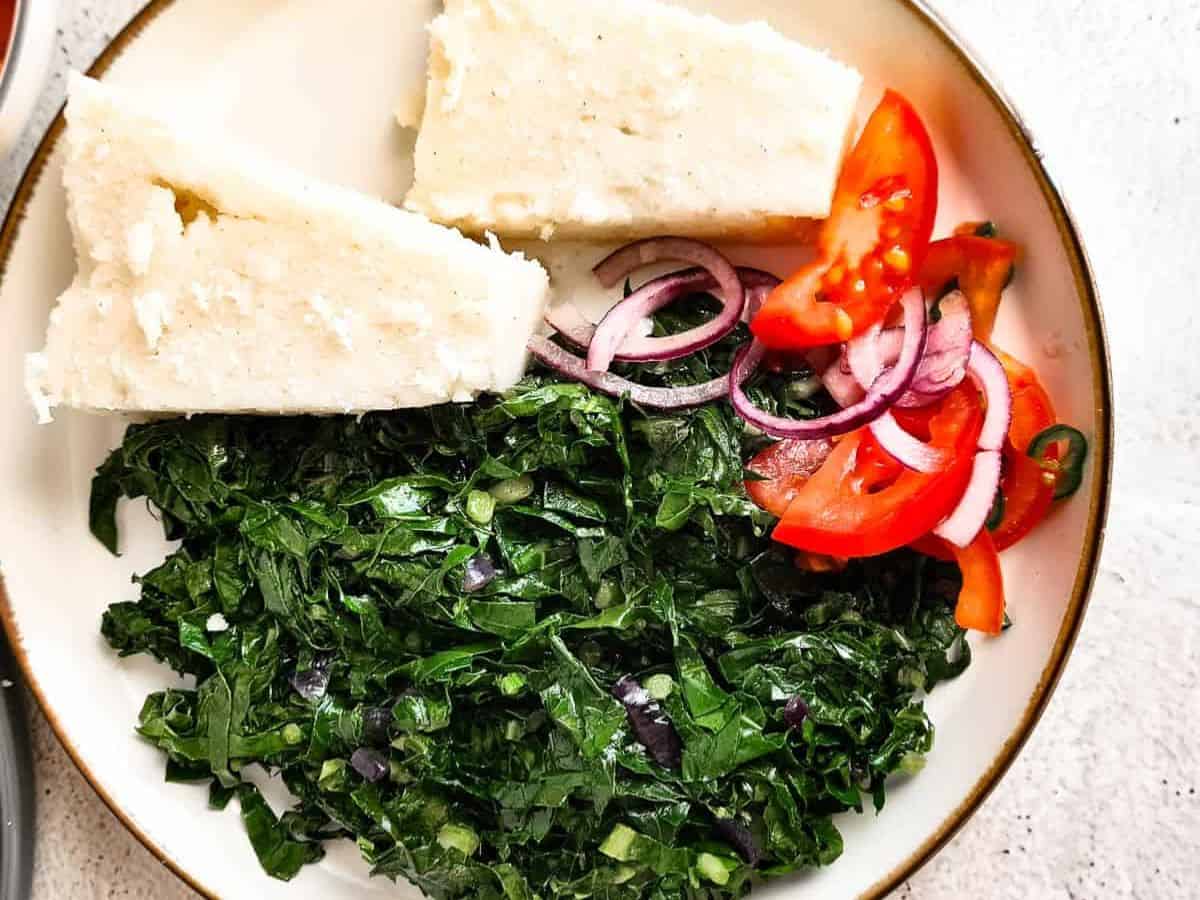
Don’t leave Kenya before you try Ugali. It’s the staple Kenyan food made by adding maize flour to boiling water and stirring until it hardens with a sweet aroma. Kenyans mostly pair ugali with sukuma wiki (collard greens) for lunch or dinner. Often, eggs, beef, or goat stew are added for a more balanced meal.
2. Githeri
- Typical price: KES 70–250
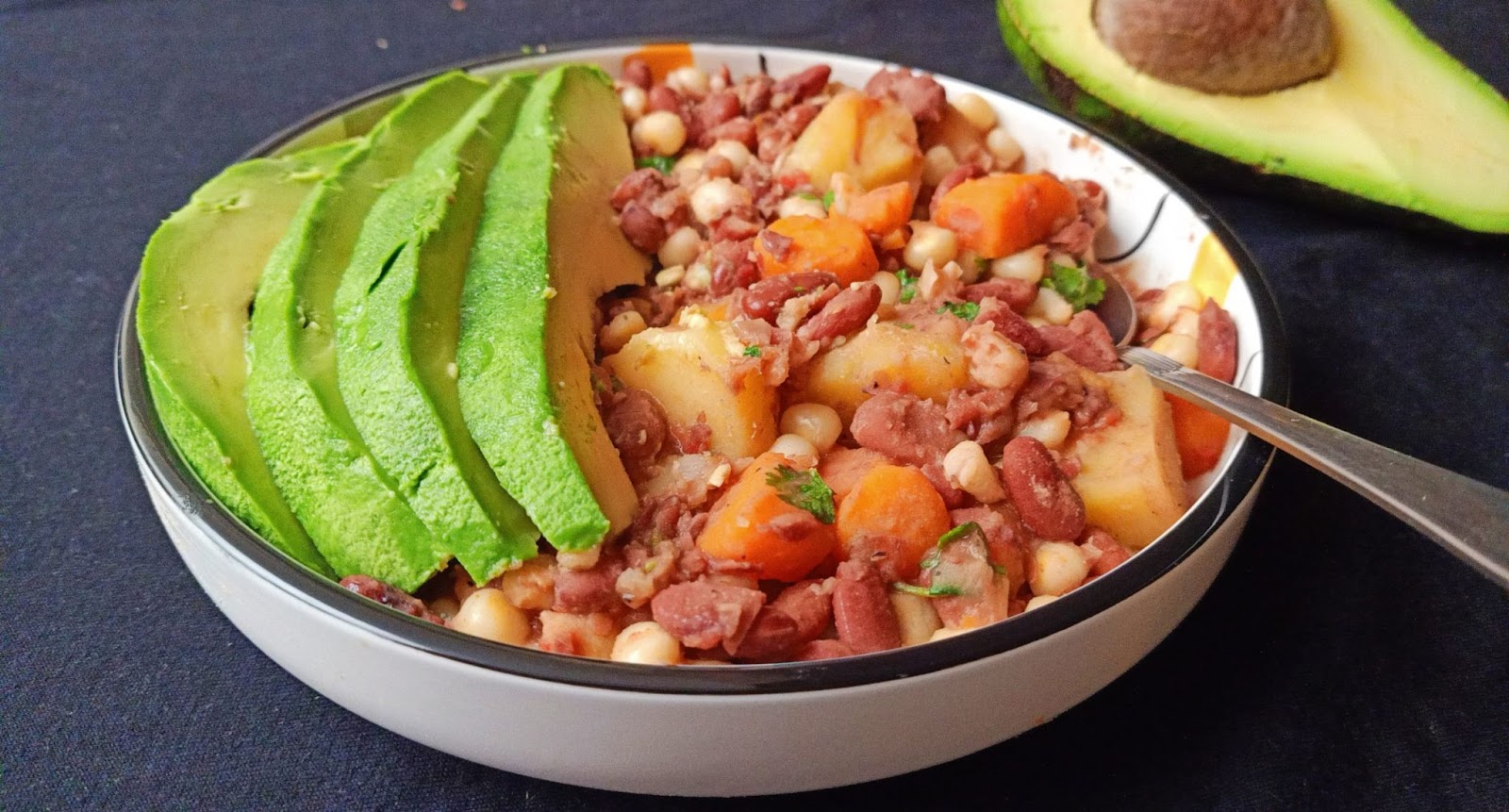
Githeri is probably the most well-known Kenyan food in East Africa. Githeri is a simple dish made of corn and beans. To ensure the corn and beans absorb each other’s flavors, the two are boiled until ready, then fried with oil, onions, and tomatoes. Sometimes potatoes are added to the stew. Avocado is also a favorite side dish. This dish is widely known as one of the cheapest foods in Kenya.
3. Chapati
- Typical price: KES 10–70
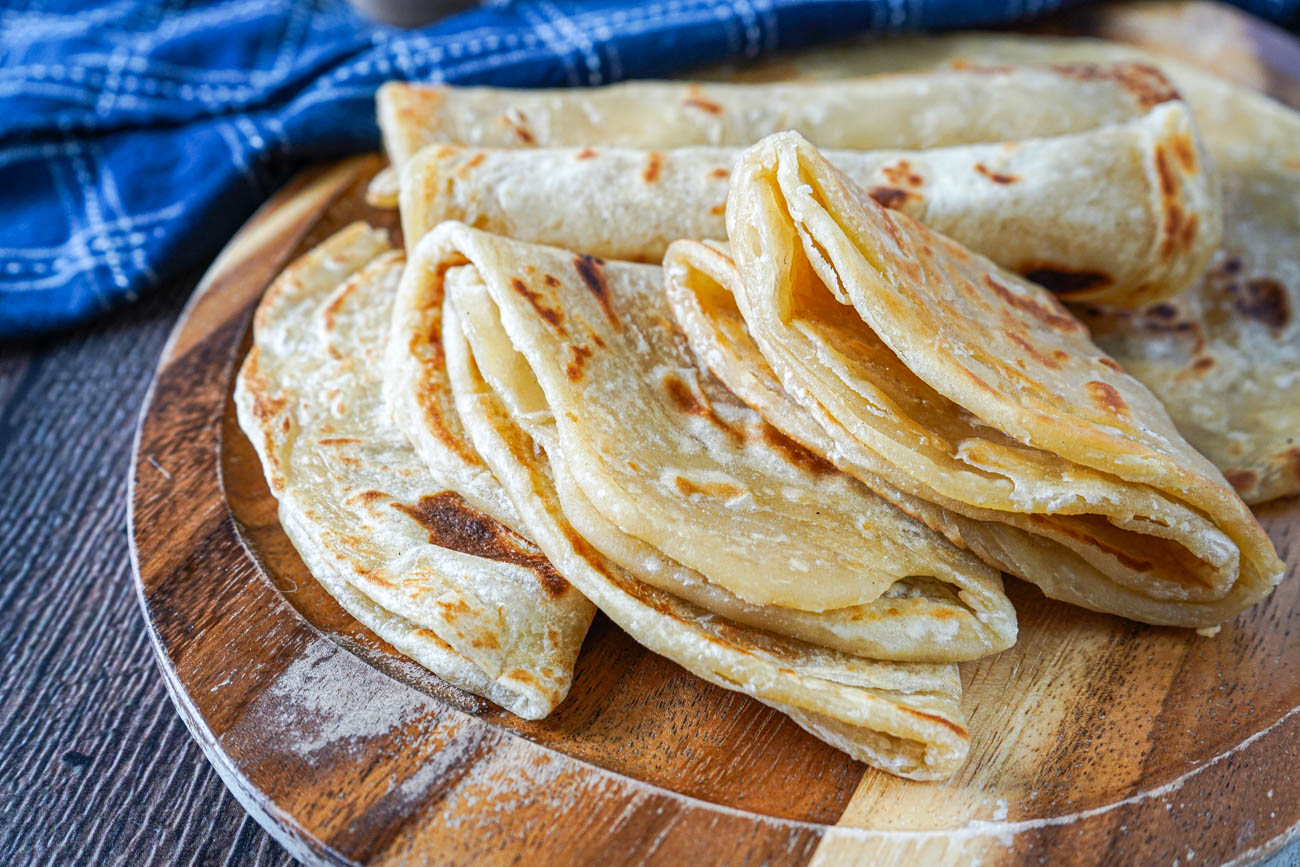
Chapati is an unleavened flatbread inspired by Indian cuisine. Chapati is more of an East African dish rather than a Kenyan one; you will find that it is also a main staple in Tanzania and Uganda. Unlike Naan, chapati is thicker and cooked till brown with several layers. It is commonly served with stew such as beef or lentils. Chapati is considered an elite food for many Kenyans.
4. Pilau
- Typical price: KES 150–400
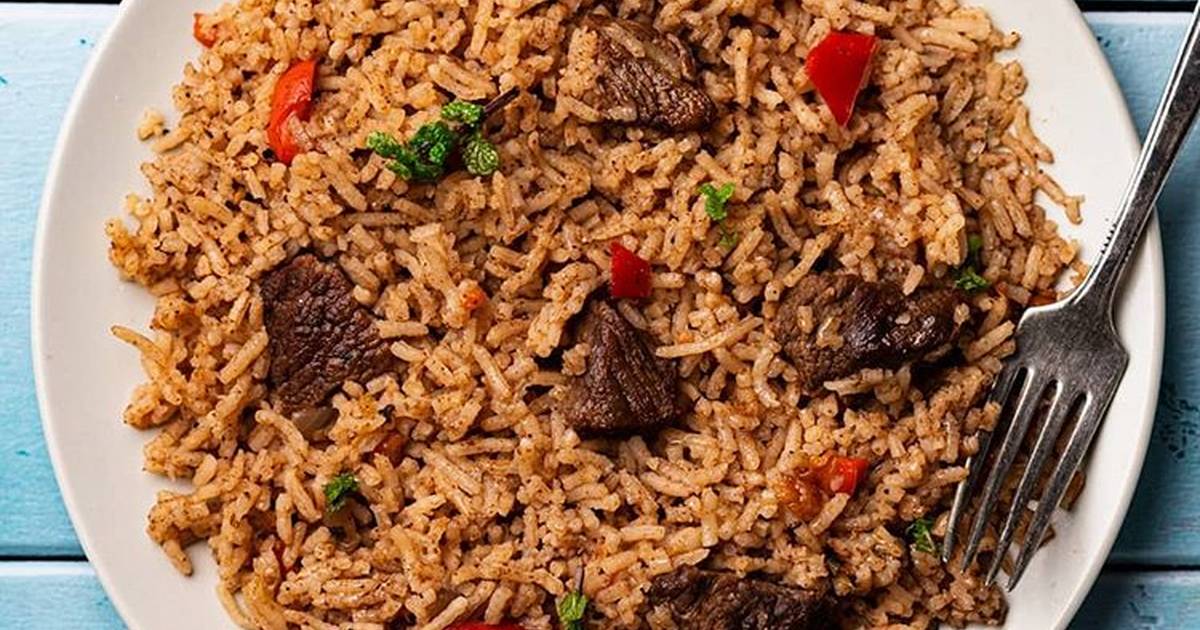
One of the most delicious Kenyan foods, Pilau is Kenya’s version of rice and meat, also inspired by Indian cuisine. It is a Swahili dish, common in the coastal areas of Kenya, that has been adopted and loved countrywide. Pilau is packed with a flavourful blend of spices, including cumin, cardamom, and cloves.
Since it is a Swahili dish, Pilau is also a main dish in Tanzania. The harmony of the flavors and spices easily makes Pilau one of the best African foods in Kenya.
5. Bhajia
- Typical price: KES 70–150
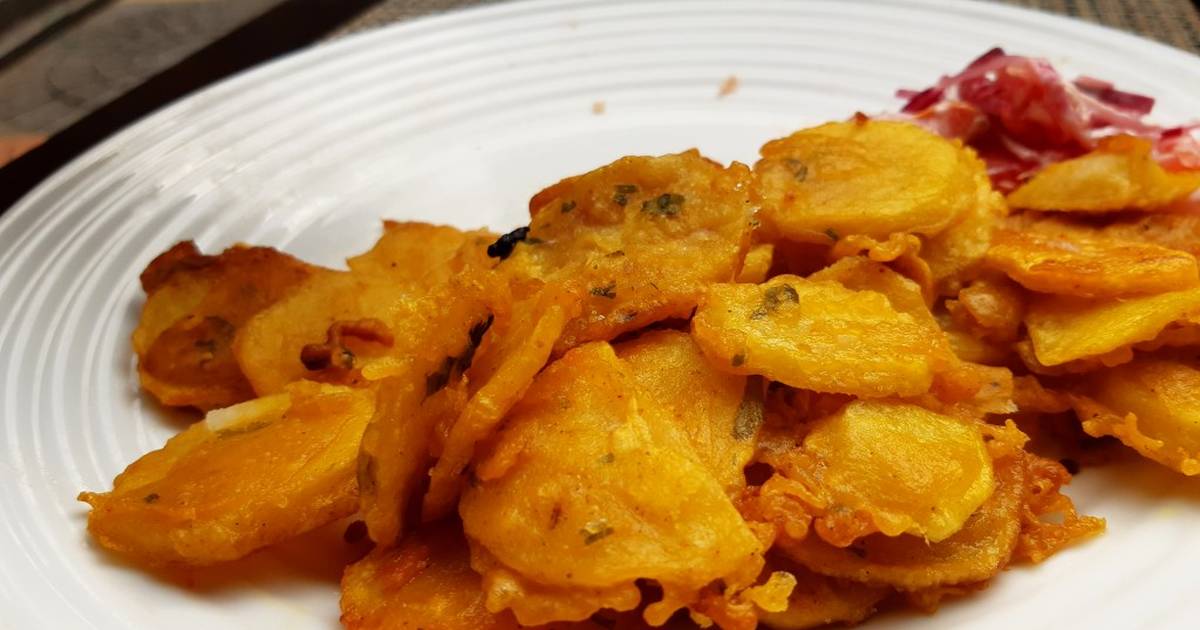
Bhajias are popular street food made with thinly sliced potatoes dipped in flour batter seasoned with herbs and spices such as ginger, cumin, parsley, coriander, and chili powder. It’s cooked until brown to make a delicious crunchy snack.
It’s common in urban areas in Kenya and originates from the Swahili. This is one of the rare Kenyan foods that is taken both as a snack and a full meal.
6. Maandazi
- Typical price: KES 5–20
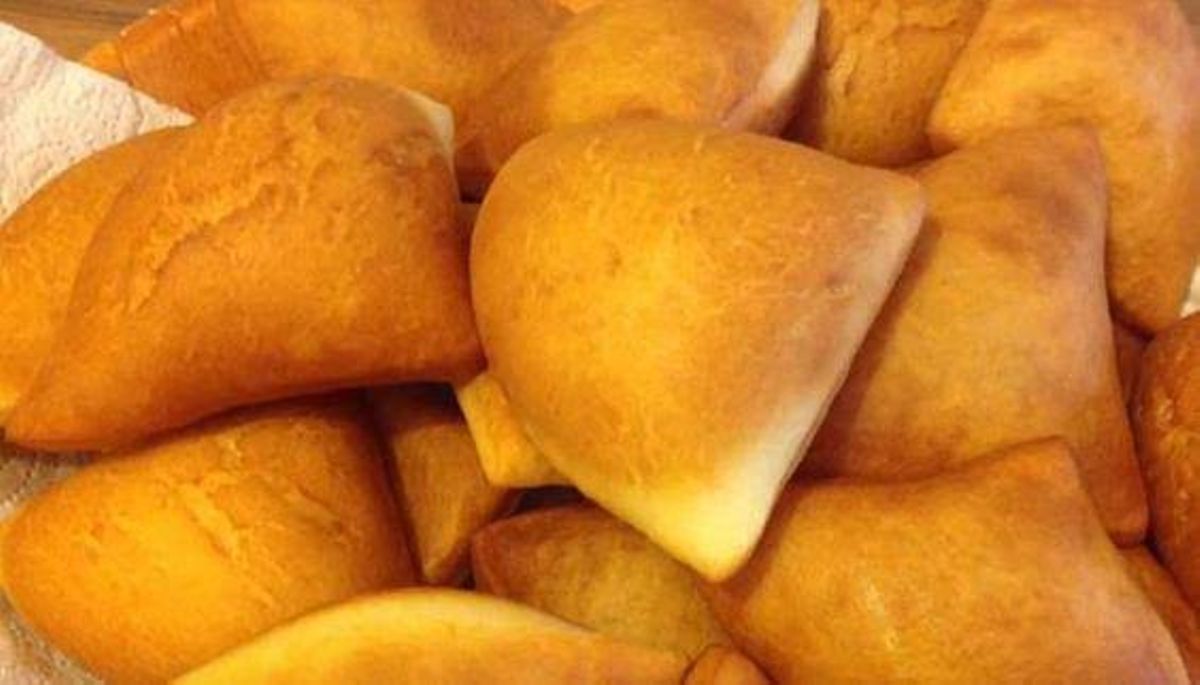
Aside from bread, mandazi is the most common breakfast treat. This delicious pastry is made with leavened dough cut into triangular shapes and deep-fried until brown. It pairs deliciously with milk tea or coffee. Mandazi ranks pretty high in the list of the most popular Kenyan foods.
7. Matoke
- Typical price: KES 5–20
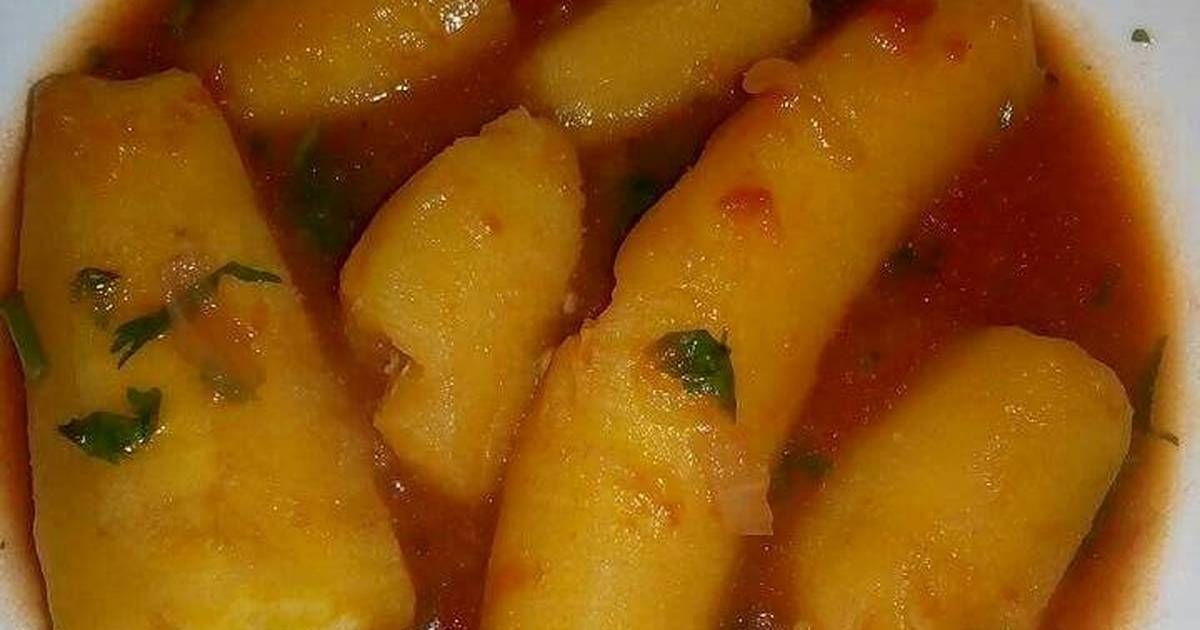
Aside from bread, mandazi is the most common breakfast treat. This delicious pastry is made with leavened dough cut into triangular shapes and deep-fried until brown. It pairs deliciously with milk tea or coffee. Mandazi ranks pretty high in the list of the most popular Kenyan foods.
8. Mukimo
- Typical price: KES 70–250
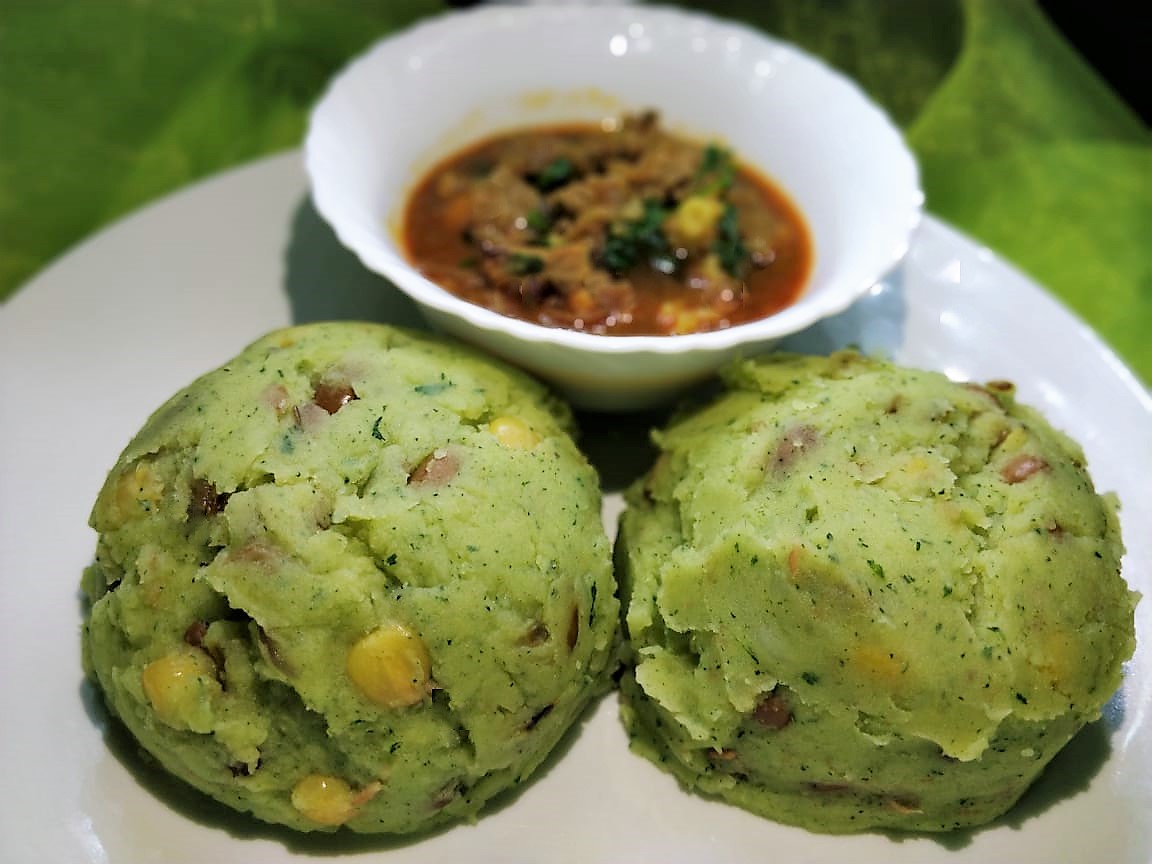
Besides rice and ugali, Mukimo is a beloved starch in Kenya. Originating from the Agikuyu community in Kenya, this dish is made with mashed potatoes, corn, and greens. It is a great side for stews and grilled meat. It is one of the lesser-known Kenyan foods that you must try. The dish packs fiber, starch, vitamins, and others, making it richly nutritious and great for digestion.
9. Nyama Choma
- Typical price: KES 300–3000
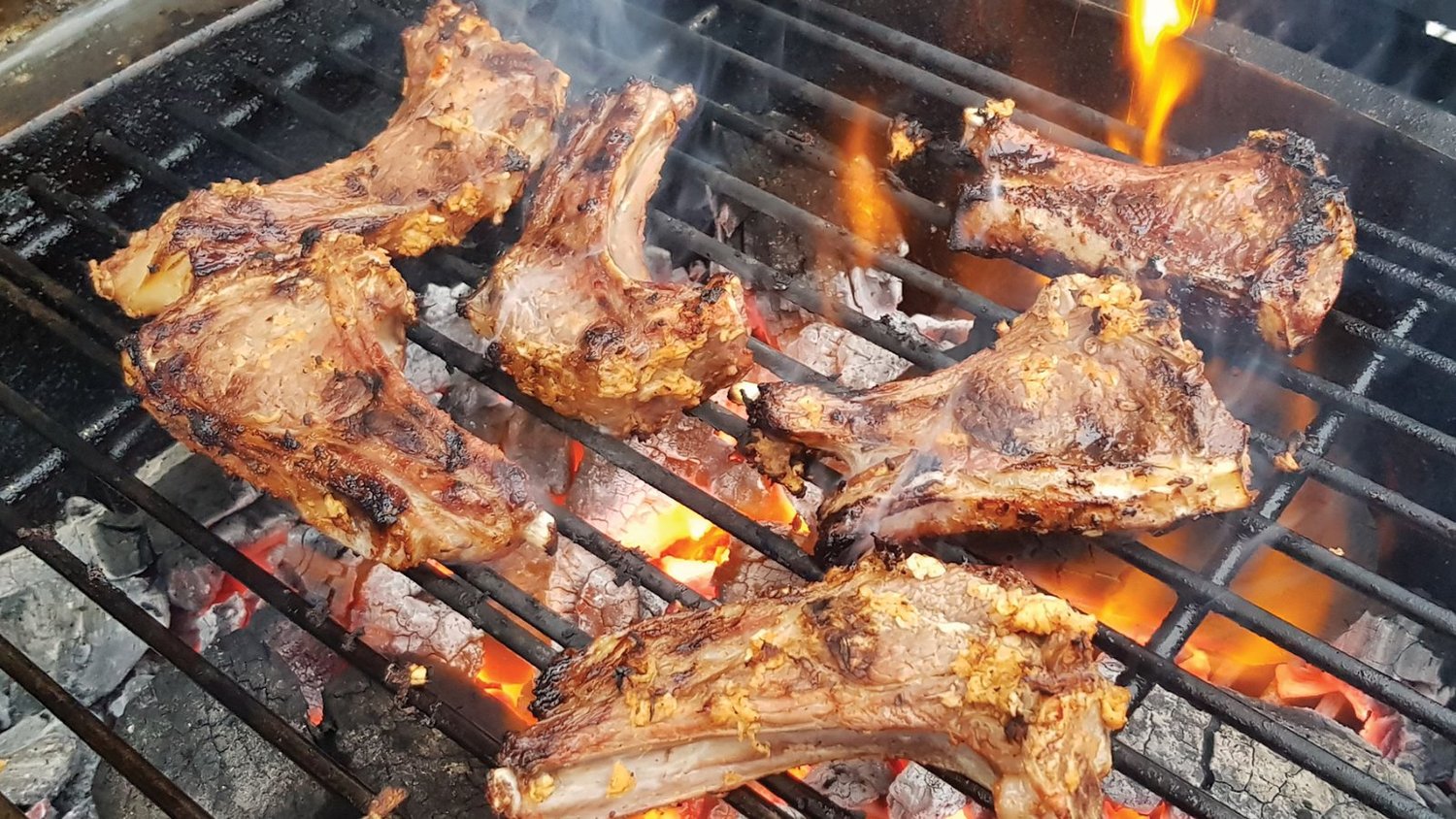
Kenyans will swear this is the Kenyan national dish. Nyama choma is Swahili for grilled meat, a Kenyan dish associated with celebrations and holidays. The preferred meat is mainly goat, though beef also acts as a substitute.
It’s served with a side of ugali, mukimo, roast potatoes, and kachumbari (a mix of raw tomatoes, onions, and pepper). Nyama choma is best enjoyed by large groups, whether it’s families celebrating holidays or friends on a trip. It is the designated Kenyan food for celebrations.
10. Mutura
- Typical price: KES 30–200
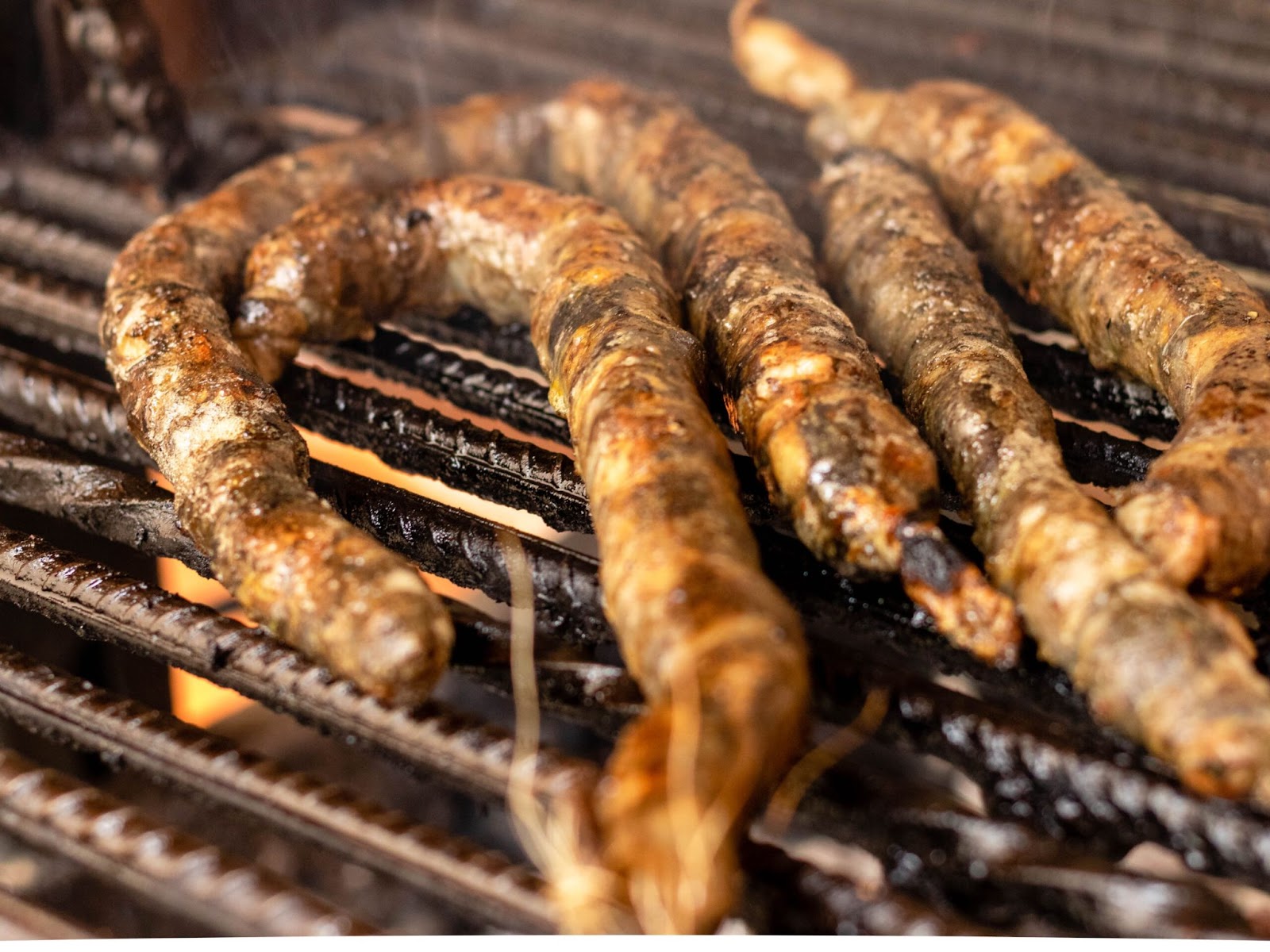
One of the most popular street foods in Kenya is a must-have. Mutura is the intestines of either a goat, a lamb, or a cow stuffed with fatty meat, animal blood, onions, herbs, and spices. It’s an acquired taste, but you are bound to enjoy it if you give it a try.
Street Food vs Restaurant Prices
Street food in Kenya is served along the streets in stalls and open-air, informal eateries known as “vibanda” (singular: “kibanda”). Eating on a budget in Kenya will almost always involve a visit to a kibanda. These are affordable places that serve a wide variety of dishes, often prepared very well.
Street food and kibandas typically cost less than half the price of restaurant meals. However, as with street food anywhere in the world, it’s important to ensure that the place maintains good hygiene and uses clean water.
Local hotels are also relatively affordable. They are slightly more formal than kibandas, but many offer similar food at comparable or slightly higher prices. The seating is usually better, and the environment can be less crowded.
Tourist hotels offer the greatest variety, but they are significantly more expensive. Meals can cost over five times what you would pay at a kibanda. However, they often feature dishes prepared by trained chefs and provide a more upscale dining experience.
You might consider splurging on a meal at a tourist hotel to either start or end your day.
How to Eat on a Budget in Kenya
There are many ways to save money on food in Kenya. Affordable meals are widely available, as many locals also aim to keep their daily food expenses low. Here are some tips to help you eat on a budget:
- Eat where locals eat
- Avoid hotel restaurants
- Shop at local markets
- Choose local dishes
Sample Daily Food Budget
To give you an idea of what you can expect to spend on food during your travels in Kenya, here is a breakdown.
Budget travel
- Daily food budget: KES 500–1000 ($4–$8)
- Breakfast: KES 70–250
- Lunch: KES 100–350
- Dinner: KES 150–400
Mid-range
- Daily food budget: KES 1500–3000 ($12–$25)
- Breakfast: KES 300–500
- Lunch: KES 500–700
- Dinner: KES 700–1800
Eating in Kenya can be both affordable and incredibly satisfying if you know what to choose. By sticking to local dishes and understanding food prices, you can enjoy a rich culinary experience while significantly lowering your cost of food in Kenya. If you’re planning your trip, don’t forget to check out my complete guide to budget travel in Kenya for more cost-saving tips.


One Comment